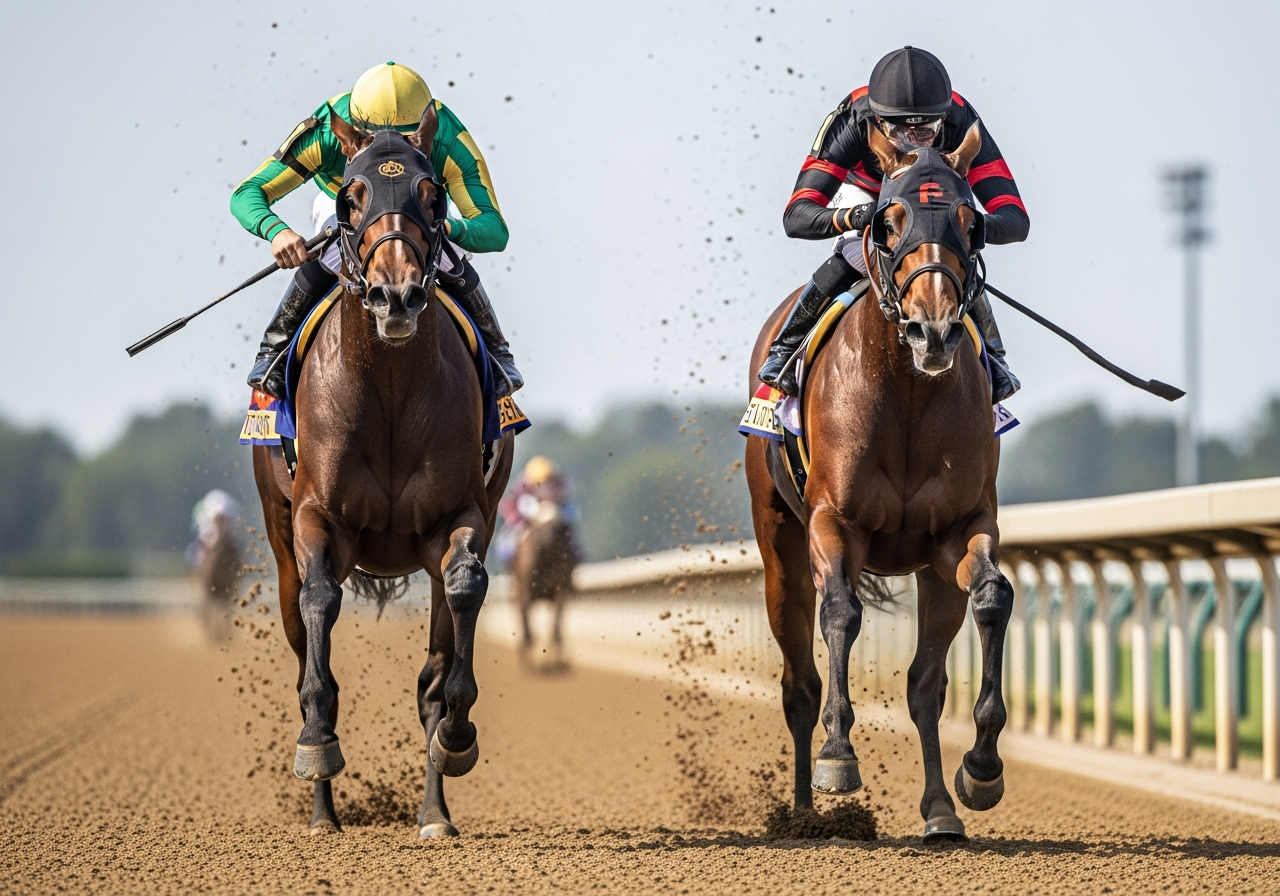
In the thrilling world of horse racing, few moments match the intensity of a photo finish where two or more horses cross the line simultaneously. For Indian bettors following races at venues like Mahalaxmi Racecourse in Mumbai or Bangalore Turf Club, understanding dead heat rules becomes crucial when these rare but significant events occur. A dead heat occurs when horses tie for a winning or placing position, even after careful examination of the photo finish by race stewards.
Dead heat situations dramatically impact payout calculations, often reducing returns for winning bettors as stakes get divided among the tied horses. Under the Racing and Totalisator Institute (RTI) regulations that govern Indian horse racing, specific protocols determine how these ties are declared and how betting settlements are calculated. Whether you’re placing win bets, each-way wagers, or exotic combinations, knowing these rules helps you understand potential returns and make informed betting decisions in the dynamic Indian racing landscape.
What Is a Dead Heat in Horse Racing?
A dead heat represents the rarest outcome in horse racing, occurring when two or more horses finish at exactly the same time in any position. Despite advances in photo finish technology, some races remain too close to separate, forcing stewards to declare a tie. Under Indian RTI rules, this declaration happens only after exhaustive examination of high-speed cameras and timing systems, ensuring absolute certainty that no horse gained even a nose advantage.
These situations appear most frequently in handicap races where horses carry similar weights and compete at closely matched abilities. The photo finish camera, positioned directly at the winning post, captures images at thousands of frames per second, yet occasionally even this technology cannot distinguish a clear winner. When stewards cannot separate horses after multiple reviews, they officially post a dead heat result.
Indian racing authorities follow strict protocols established by the RTI, requiring unanimous agreement among stewards before declaring any dead heat. This careful process protects the integrity of betting markets and ensures fair treatment for all stakeholders, from owners to bettors who have wagered significant amounts on the outcome.
How Stewards Declare a Dead Heat in India
The dead heat declaration process begins immediately after horses cross the finish line when initial observations suggest a tie. Bangalore Turf Club rules specify that chief stewards must review photo finish evidence within fifteen minutes of race completion, examining multiple camera angles and consulting with the official judge. The stewards analyze frame-by-frame footage, looking for any distinguishing features like nostril position or eye placement that might separate the horses.
Once stewards confirm the dead heat, they post the result on official boards and notify the totalisator system to begin modified payout calculations. Under Bangalore Turf Club regulations, this announcement triggers an automatic review period where connections can request additional scrutiny, though such requests rarely overturn the original decision given the thoroughness of modern photo finish analysis.
Historical Dead Heats in Indian Races
- The famous 2019 Bangalore Derby saw two horses cross simultaneously, creating one of the most memorable dead heats in recent Indian racing history with over ₹50 lakh in affected betting pools
- Mahalaxmi Racecourse recorded a three-way dead heat in 2017 during the Independence Cup, where Stellar Performance, Royal Thunder, and Golden Arrow could not be separated despite multiple photo reviews
- Chennai’s Guindy Race Club witnessed a dead heat between local favorites Storm King and Mysore Prince in 2018, demonstrating how even experienced horses can finish in perfect unison
- The Hyderabad Race Club’s 2020 winter meeting featured a dead heat that affected both win and place payouts, showcasing the complex calculations required when multiple positions are tied
Standard Dead Heat Payout Rules
When a dead heat occurs, the fundamental principle governing payouts involves dividing your original stake by the number of horses involved in the tie. This division applies universally across Indian racing venues, ensuring consistency whether you’re betting at RTI-regulated tracks or through authorized bookmakers. Your effective stake becomes a fraction of the original amount, while the odds remain unchanged for calculation purposes.
The mathematical approach protects both bettors and bookmakers by maintaining fair proportional returns. If three horses dead heat for first place and you backed one of them with ₹300 at 4/1 odds, only ₹100 of your stake (₹300 ÷ 3) counts as a winning bet, with the remaining ₹200 treated as a losing stake that you forfeit.
| Number of Horses in Dead Heat | Stake Portion Settled as Win | Example: ₹100 Stake Win at 5/1 | Payout Calculation |
|---|---|---|---|
| 2 horses | 50% (₹100 ÷ 2) | ₹50 winning stake | ₹50 × 6 = ₹300 |
| 3 horses | 33.33% (₹100 ÷ 3) | ₹33.33 winning stake | ₹33.33 × 6 = ₹200 |
| 4 horses | 25% (₹100 ÷ 4) | ₹25 winning stake | ₹25 × 6 = ₹150 |
| 5 horses | 20% (₹100 ÷ 5) | ₹20 winning stake | ₹20 × 6 = ₹120 |
Formula for Dividing Stakes
The standard formula for dead heat calculations follows a simple mathematical principle: (Stake ÷ N) × (Odds + 1), where N represents the number of horses involved in the dead heat. This formula applies consistently across all Indian racing venues and ensures transparent, predictable payouts regardless of the complexity of the dead heat situation.
Understanding this calculation helps bettors quickly assess potential returns when dead heats occur. For instance, if you place ₹600 on a horse at 3/1 odds and it dead heats with one other horse, your effective winning stake becomes ₹300 (₹600 ÷ 2), multiplied by 4 (3/1 + 1) to give you ₹1,200 total return, representing your ₹300 winning portion plus ₹900 profit.
The beauty of this system lies in its fairness – the odds themselves never change, only the portion of your stake that counts as winning. This approach maintains the integrity of the original betting contract while accommodating the unexpected tie result, ensuring that dead heat payouts remain mathematically sound and equitable for all parties involved.
Dead Heat Impact on Each-Way Bets
Each-way betting adds complexity to dead heat situations because these wagers consist of two separate components: a win bet and a place bet, each requiring individual calculation when ties occur. Under standard Indian racing terms, each-way bets typically pay at one-quarter odds for places in races with eight or more runners, covering the first three finishing positions. When dead heats affect either the win or place portions, the standard division rules apply to the relevant component.
The place portion of each-way bets becomes particularly intricate during dead heats because multiple scenarios can unfold. If horses dead heat for first place, the win portion splits according to standard rules while the place portion pays in full since both horses clearly finished in the top three. However, when horses dead heat for second and third positions, or when a three-way dead heat involves positions that affect place payouts, calculations become more complex.
Consider a situation where two horses dead heat for second place in a race where places pay for the first three positions. Both horses clearly deserve place money, but they’re sharing what would normally be distinct second and third place positions. This scenario requires splitting the place stake between the tied horses, similar to win dead heat rules.
The timing of when stewards declare dead heat results can also affect each-way settlements. RTI regulations require that all components of each-way bets be settled according to the official result, meaning any dead heat declaration must be applied consistently to both win and place calculations, ensuring bettors receive fair treatment across all aspects of their wagers.
Place Payouts in Dead Heats
| Scenario | Normal Payout (₹10 EW at 10/1) | Dead Heat Adjustment (2-way) |
|---|---|---|
| Win portion (dead heat 1st) | ₹110 (₹10 × 11) | ₹55 (₹5 × 11) |
| Place portion (dead heat 1st) | ₹35 (₹10 × 3.5) | ₹35 (no division needed) |
| Place portion (dead heat 2nd/3rd) | ₹35 (₹10 × 3.5) | ₹22.50 (₹5 × 4.5) |
| Total return (dead heat 1st) | ₹145 | ₹90 |
When Each-Way is Unaffected
Each-way bets remain completely unaffected when dead heats occur outside the paying positions or when tied horses finish within places that don’t require stake division. For example, if two horses dead heat for fourth and fifth place in a race paying three places, your each-way bet on either horse loses both components normally since neither achieved a paying position.
Similarly, when horses dead heat for first place, the place portion of each-way bets typically pays in full because both horses clearly finished within the top three positions. This scenario actually favors each-way bettors since they receive full place odds despite the reduced win payout, partially offsetting the dead heat impact and demonstrating why experienced punters often prefer each-way wagering in competitive handicap races.
Official Rules from Indian Turf Authorities
- Race stewards must examine photo finish evidence for a minimum of ten minutes before declaring any dead heat, ensuring thorough analysis using multiple camera angles and technological aids available at the track
- Dead heat declarations require unanimous agreement among at least three qualified stewards, with the chief steward having final authority to confirm or overturn preliminary decisions based on additional evidence
- All dead heat results must be posted within twenty minutes of race completion, allowing sufficient time for proper examination while maintaining efficient race day operations and timely payout processing
- Betting operators receive immediate notification of dead heat declarations through official channels, triggering modified payout calculations that must be completed within standard settlement timeframes
- Appeals against dead heat rulings must be lodged within forty-eight hours of the official result, though successful challenges remain extremely rare given the rigorous review process employed by Indian racing authorities
RTI vs. Other Turf Club Variations
| Authority | Dead Heat Rule Summary | Key Difference |
|---|---|---|
| RTI (National Standard) | Standard stake division by number of tied horses | 20-minute maximum declaration time |
| Bangalore Turf Club | Identical to RTI with additional review protocols | Extended 48-hour appeal window |
| Chennai Race Club | RTI-compliant with minor procedural variations | Requires chief steward plus two assistants minimum |
Examples of Dead Heat Calculations
| Bet Type | Dead Heat Position | Stake ₹200 at 4/1 | Return |
|---|---|---|---|
| Win Bet | 2-way dead heat for 1st | ₹100 effective stake | ₹500 (₹100 × 5) |
| Win Bet | 3-way dead heat for 1st | ₹66.67 effective stake | ₹333.35 (₹66.67 × 5) |
| Each-Way (Win) | 2-way dead heat for 1st | ₹50 effective stake | ₹250 (₹50 × 5) |
| Each-Way (Place) | 2-way dead heat for 1st | ₹100 full stake | ₹225 (₹100 × 2.25) |
| Place Only | 2-way dead heat for 2nd/3rd | ₹100 effective stake | ₹225 (₹100 × 2.25) |
3-Way Dead Heat Breakdown
Three-way dead heats represent the most complex scenario for payout calculations, requiring division of stakes by three while maintaining the original odds structure. When three horses tie for first place and you’ve backed one with ₹300 at 6/1 odds, only ₹100 of your stake (₹300 ÷ 3) counts as winning, returning ₹700 total (₹100 × 7) instead of the ₹2,100 you would have received for an outright victory.
The mathematical precision becomes crucial in three-way scenarios because rounding can affect final payouts. Most Indian racing authorities round to the nearest paisa, ensuring consistency across all betting calculations while maintaining transparency in the settlement process.
Three-way dead heats also impact exotic betting pools differently, often creating multiple winning combinations in quinella or exacta pools. These situations can lead to unusually large payouts for bettors who’ve covered the right combinations, demonstrating how dead heats can sometimes benefit strategic punters despite generally reducing individual returns.
Real Indian Race Example
- Bangalore Derby 2023 scenario: Thunder Strike, Lightning Bolt, and Storm Chaser dead heated for first place in a hypothetical ₹15 lakh winner-takes-all race
- Win bets on any of the three horses at original odds of 8/1, 5/1, and 12/1 respectively had stakes divided by three before applying the full odds multiplier
- Each-way bettors received full place payouts since all three horses clearly finished in paying positions, partially offsetting the reduced win returns
- Exotic bet pools including trifecta and superfecta were declared void and stakes refunded due to the unprecedented three-way tie affecting the primary finishing order
- Total affected betting turnover exceeded ₹2.5 crores, requiring extensive coordination between RTI officials and authorized betting operators for proper settlement
Bookmaker Variations in India
Indian bookmakers generally follow RTI dead heat rules as the foundation for their settlement policies, but subtle variations exist in how different operators handle specific scenarios or present their terms to customers. Licensed operators must comply with Indian racing authority guidelines, ensuring consistent treatment of dead heat situations across legitimate platforms, though some international bookmakers serving Indian customers may apply slightly different interpretations based on their global policies.
The key differences typically emerge in areas like rounding procedures, minimum payout thresholds, and the handling of exotic bets during dead heat situations. Some operators round dead heat calculations to the nearest rupee rather than paisa, potentially affecting smaller stakes, while others maintain more precise decimal calculations that can benefit bettors placing larger wagers.
Understanding these variations becomes particularly important for serious punters who maintain accounts with multiple bookmakers. Reading the specific terms and conditions for dead heat rules helps ensure you understand exactly how your returns will be calculated, avoiding surprises when these rare but impactful situations occur during major racing events across Indian tracks.
Common Variations Table
| Bookmaker Type | Win Dead Heat | Place Dead Heat Rule | Notes |
|---|---|---|---|
| RTI Licensed Operators | Standard stake division | Full compliance with racing authority rules | Must follow RTI guidelines exactly |
| International Platforms | Similar division method | May vary in rounding procedures | Check specific terms for differences |
| On-Track Totalisators | Automated RTI calculations | Real-time settlement adjustments | Most transparent and immediate |
| Fixed Odds Bookmakers | Standard division with fixed odds | Place terms may differ from tote | Odds locked in at bet placement |
Tips for Bettors Facing Dead Heats
- Consider each-way betting in competitive handicap races where dead heats are more likely, as the place component often provides better protection against stake division impacts
- Avoid backing multiple horses in the same race when dead heat risks are elevated, since you’ll face reduced returns if your selections tie rather than one winning outright
- Focus on races with clear class distinctions between horses, as these typically produce more definitive results and reduce dead heat probability compared to tightly matched handicap events
- Review historical dead heat frequency at specific tracks, as some venues with particular track configurations may experience slightly higher rates of photo finish ties
- Calculate potential dead heat returns before placing bets using the standard division formula, ensuring you’re comfortable with reduced payouts if ties occur
- Maintain detailed records of dead heat outcomes in your betting history to understand how these events affect your long-term profitability and adjust strategies accordingly
- Consider exotic betting options like quinellas or exactas that can actually benefit from dead heat situations by creating multiple winning combinations and potentially larger payouts
Bet Types Less Impacted by Dead Heats
- Quinella bets benefit when the two horses you’ve selected dead heat for first and second, as you win regardless of which specific order they finish
- Place-only wagers provide more stable returns during dead heat situations since place pools typically offer better protection than win pools against stake division
- Show bets (where available) offer the greatest protection against dead heat impacts, as horses finishing in dead heats for any of the top three positions still qualify for payouts
- Trifecta combinations can actually increase in value when dead heats occur in lower positions, creating multiple valid finishing orders that wouldn’t normally exist
- Each-way accumulator bets spread dead heat risk across multiple races, reducing the overall impact of any single dead heat on your total returns
- Fixed odds ante-post betting locks in your potential returns regardless of dead heat outcomes, though you sacrifice the ability to benefit from favorable price movements
Dead Heats in Other Indian Betting Markets
Dead heat rules extend beyond horse racing into other popular betting markets available to Indian punters, including greyhound racing and golf tournaments. Greyhound racing, particularly popular in states where it remains legal, follows similar stake division principles when dogs finish in ties, though the faster pace and shorter distances can make photo finish decisions more challenging for stewards to determine.
Golf tournaments present unique dead heat scenarios for Indian bettors, especially in outright winner markets where multiple players can tie after regulation play. Unlike horse racing where dead heats are declared immediately, golf dead heats for tournament wins typically trigger playoff situations that eventually produce a single winner, though some betting markets settle based on positions after regulation rounds, creating dead heat scenarios for place and each-way bets on major championships popular among Indian sports bettors.
Quick Comparison Table
| Market | Dead Heat Rule | Indian Relevance |
|---|---|---|
| Horse Racing | Standard stake division by tied horses | Primary regulated racing market |
| Greyhound Racing | Similar division rules apply | Limited venues, regional popularity |
| Golf Tournaments | Position-specific dead heat settlements | Growing interest in international events |
| Athletics Events | Photo finish determines dead heats | Olympic and Commonwealth Games betting |